%2Ffit-in%2F250x250%2Fguide_websites%2F4831%2Fimages%2Fprecision.png&w=1920&q=100)
Fishing Charter in St. Petersburg, FL
Fishing in St. Petersburg - What to Expect

Fishing Charter by Captain Michael Ikemeier in July
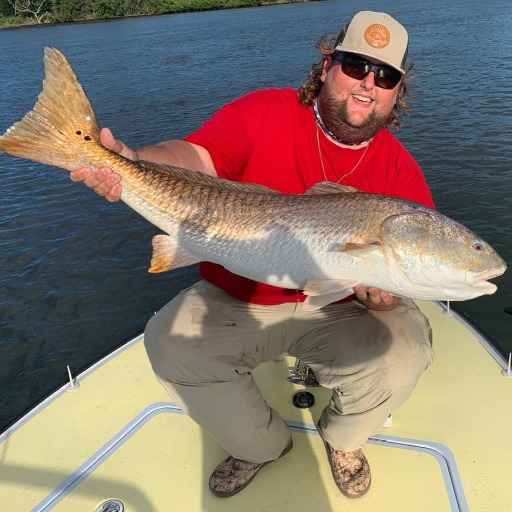
Meet your Captain Michael Ikemeier
- Top Charter Fishing in St. Petersburg, Florida


Summary
Join Captain Michael Ikemeier for a fishing charter in St. Petersburg on Saturday in July. This guided fishing trip showcases the prime backcountry waters of Florida's Gulf Coast, where experienced anglers and beginners alike can pursue diverse saltwater species in shallow flats and deeper channels. Precision Backcountry Charters specializes in personalized fishing experiences tailored to skill levels and preferences.
Fishing Charter with Captain Michael Ikemeier - Rates & Booking
Captain Michael Ikemeier of Precision Backcountry Charters offers personalized fishing charters departing Saturday, July 25th from St. Petersburg. This fishing charter is designed for anglers seeking authentic backcountry experiences on Florida's productive Gulf waters. Captain Ikemeier brings local expertise and a commitment to matching fishing techniques to current conditions and species availability.
When booking your charter, inquire about group size options, tackle provisions, and any specific species preferences. Precision Backcountry Charters emphasizes accessible, educational fishing that respects local ecosystems. Contact the charter directly to discuss rates, duration, and inclusions for your preferred date.
Trust Captain Ikemeier's knowledge of St. Petersburg's waters - from shallow flats teeming with redfish and snook to deeper channels holding grouper and snapper. Local expertise means understanding seasonal patterns, tide movements, and the best techniques for each target species.
Highlights of Your St. Petersburg Fishing Charter
St. Petersburg's backcountry offers exceptional fishing opportunities year-round. The shallow flats are renowned for sight-fishing opportunities where skilled anglers can locate and stalk redfish, permit, and tarpon. The mangrove-lined channels provide excellent habitat for snook, and deeper holes hold grouper and snapper for those seeking bottom-fishing action.
The diversity of the St. Petersburg fishery means your charter can target multiple species or focus on specific challenges - from the technical skill required to land permit to the explosive strikes of redfish on shallow flats. Captain Ikemeier adjusts tactics based on conditions, ensuring the best possible fishing experience regardless of your skill level.
Local Fishing Insights in St. Petersburg
St. Petersburg sits on the eastern shore of Tampa Bay, offering access to one of Florida's most productive saltwater ecosystems. The backcountry waters feature a unique combination of habitat types - shallow seagrass flats, mangrove shorelines, and deeper channels - each supporting different fish populations and requiring specific techniques.
Redfish are the signature species of these flats. These copper-colored powerhouses are schooling fish that feed heavily on small crustaceans and baitfish. In clear, shallow water, sight-fishing for redfish requires patience, accuracy, and understanding how light and water depth affect fish behavior. Redfish are strongest during warm months and often found cruising the flats in schools of two to ten fish.
Snook thrive in mangrove habitat where fresh water meets salt water. These aggressive predators ambush prey near structure - fallen mangrove roots, bridge pilings, and dock systems. Snook are primarily sight-fishing targets in clear water and are highly responsive to well-placed casts near cover.
Tarpon represent the ultimate challenge in Florida backcountry fishing. These prehistoric-looking fish can exceed 100 pounds and are known for acrobatic jumps and powerful runs. Tarpon are often found cruising in deeper channels and require specific techniques, strong tackle, and significant skill to land successfully.
The shallow-water environment of St. Petersburg's backcountry demands precise casting, quiet operation of the boat, and an understanding of how fish use habitat and respond to tide movements. Successful fishing here blends technical skill with environmental awareness - knowing when tide changes trigger feeding behavior, how wind direction affects water clarity, and which structures consistently hold fish.
Year-round opportunities exist in St. Petersburg, though spring and fall offer ideal conditions with warm water and active fish populations. Winter fishing slows slightly but remains productive, while summer heat concentrates fish in deeper holes during midday hours.